
Choosing between arbitration and trial can be a pivotal decision for any business owner, as it significantly impacts the outcome and efficiency of resolving legal disputes. This article guides you through this complex process, offering insights tailored to your unique situation.
Many small businesses and creative professionals face a crossroad when a legal issue arises. The Eastman Law Firm in Leawood, Kansas, has extensive experience assisting business owners in navigating these waters, understanding that every situation is unique. Whether it's a copyright infringement claim, a trademark dispute, or complex business contracts, the firm provides strategic counsel.
We'll explore the advantages and drawbacks of both arbitration and trial, helping you decide which approach aligns best with your goals and the nature of your case.
- Understanding Arbitration: An Alternative Dispute Resolution
- When Is Arbitration the Best Choice?
- The Trial Process: Step-by-Step Guide
- Comparing Costs: Arbitration vs. Trial Expenses
- The Eastman Law Firm: Expert Advice on Your Legal Path
Understanding Arbitration: An Alternative Dispute Resolution

Arbitration, an alternative dispute resolution (ADR) method, offers a unique path for resolving conflicts outside the traditional courtroom setting. This process, which The Eastman Law Firm (913) 908-9113 often facilitates, has gained significant traction, especially in complex legal matters involving intellectual property law, land use permits, and even money laundering defense strategies.
Instead of a judge or jury, arbitration involves a neutral third party, or arbiter, who listens to both sides and makes a binding decision. This method is particularly appealing for businesses and individuals dealing with intricate legal issues, as it can be faster and more cost-effective than a trial. In intellectual property disputes, arbitration allows creative professionals to protect their work without the lengthy and expensive trial process. The arbiters are often experts in the specific field, ensuring a more informed and specialized decision.
One of the key advantages is flexibility. The process can be tailored to the needs of the parties involved, allowing for a more efficient resolution. Arbitration keeps the dispute resolution process private, maintaining confidentiality, which is crucial for businesses navigating sensitive matters like land use permits or potential money laundering allegations. The Eastman Law Firm, with its expertise in various legal sectors, guides clients through this process, ensuring their rights and interests are protected.
By choosing arbitration, individuals and businesses can navigate legal conflicts with a more tailored, efficient, and private approach. This method empowers parties to resolve matters swiftly, focusing on the specifics of the case rather than procedural aspects, which can significantly reduce legal costs.
When Is Arbitration the Best Choice?
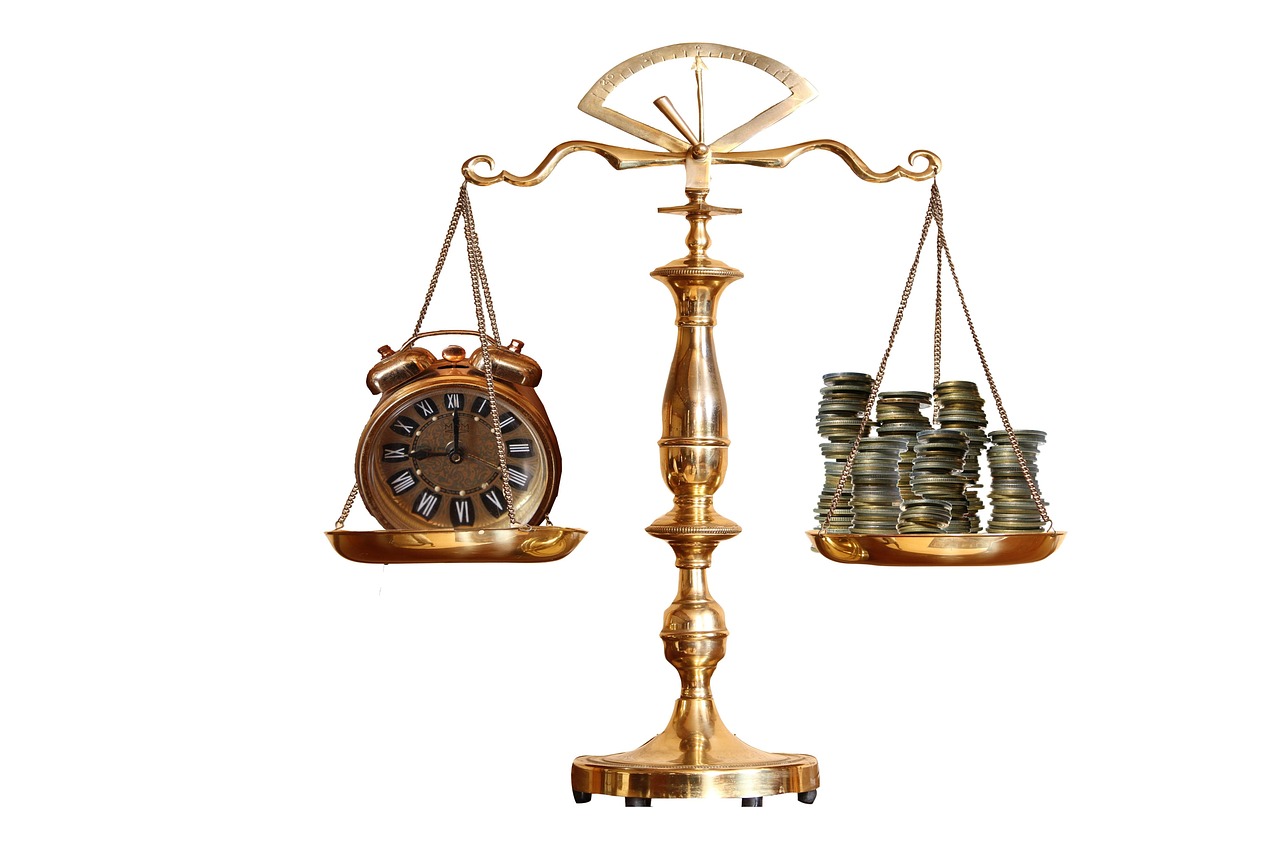
When considering the best dispute resolution method, arbitration often stands out as a powerful alternative to traditional trials. At The Eastman Law Firm in Kansas 66224, we've witnessed its benefits in various scenarios, especially for businesses navigating complex legal landscapes. Arbitration can be particularly advantageous in situations where speed and confidentiality are paramount. In cases involving white-collar crime prevention, a company might prefer arbitration to protect sensitive information and maintain operational integrity. This is especially crucial in industries with stringent cybersecurity compliance requirements, where the last thing a business wants is for internal data to become public during a trial.
Arbitration provides a more agile and efficient process compared to lengthy court battles. It allows for faster dispute resolution, enabling businesses to quickly resume their operations and implement effective tax planning strategies. The informal nature of arbitration, with its focus on negotiation and consensus, can be beneficial when dealing with complex commercial matters. In a dispute over a business contract, arbitration can encourage open communication and creative solutions, potentially avoiding costly legal fees and preserving valuable relationships.
Arbitration offers a level of privacy that is often absent in public trials. This is invaluable for companies dealing with proprietary information or those seeking to protect their public image. In cases involving intellectual property rights, such as patent applications or trademark disputes, arbitration can provide a secure forum to resolve these matters without the public scrutiny associated with a trial. The Eastman Law Firm's expertise in these areas ensures that clients receive tailored guidance, ensuring the most suitable dispute resolution approach for their unique situation.
The Trial Process: Step-by-Step Guide

The trial process, while seemingly straightforward, involves a series of intricate steps that can be complex and time-consuming, especially for intricate cases like product liability claims. At The Eastman Law Firm, we've guided countless clients through this journey, ensuring they receive a fair and just outcome. Here's a step-by-step guide to help you understand what to expect when facing a trial, especially in complex matters such as real estate closing disputes or cybersecurity compliance issues.
Firstly, preparation is key. Our attorneys will help you gather all necessary evidence, documents, and expert opinions relevant to your case. In product liability claims, this might include product testing reports, user manuals, and medical records of affected individuals. For real estate matters, we'll work with title companies and property tax experts to ensure all legal and financial aspects are in order. Each case is unique, so we tailor our approach to meet the specific needs of our clients.
The trial itself begins with opening statements where both parties present their cases to the judge and jury. Our job is to advocate for your interests, explaining the facts and laws that support your position. We'll examine witnesses, cross-examine the opposing party's witnesses, and present our evidence in a clear and compelling manner. In the case of cybersecurity compliance disputes, this could involve demonstrating the severity of a data breach and the effectiveness of your response, as well as the opposition's. This process requires meticulous planning and strategic thinking, which is where our expertise shines.
Once all evidence is presented, the judge will instruct the jury on the applicable laws and the criteria for reaching a verdict. The jury then retires to deliberate, considering the evidence and arguments presented. If the jury finds in your favor, the judge will issue a judgment based on the verdict. Throughout this process, Call The Eastman Law Firm at (913) 908-9113 for a consultation if you have any questions or concerns. Our goal is to ensure you understand your rights and the legal process, making informed decisions every step of the way.
Comparing Costs: Arbitration vs. Trial Expenses

When considering arbitration versus trial for resolving a business dispute, one of the most critical factors is the financial cost. Both options come with their own sets of expenses, and understanding these differences is essential for any business owner. At The Eastman Law Firm, we've guided numerous clients through these processes, helping them navigate the complexities of business dispute resolution.
Arbitration, while often faster and less formal than a trial, typically involves higher upfront costs. This is because arbitration is a private process, usually conducted by one or more neutral arbitrators. The parties share the cost of these arbitrators, as well as filing fees and other administrative expenses. However, arbitration can be more cost-effective in the long run, especially for smaller businesses, as it avoids the significant time and financial investment associated with a full-scale trial. In cases involving financial crimes investigations, arbitration may be preferable due to its confidentiality, allowing businesses to protect their reputations while resolving the issue efficiently.
In contrast, trials involve court fees, lawyer charges, expert witness fees, and potentially other expenses like travel and accommodation, especially if the case goes to a distant location. The Eastman Law Firm (913) 908-9113 has seen clients incur substantial costs during lengthy trials, which can be particularly burdensome for businesses with tight budgets. Corporate compliance programs, for example, might need to allocate significant resources to prepare for a trial, potentially impacting their operational funds.
The choice between arbitration and trial should be based on the specific circumstances of the dispute, the potential financial impact, and the long-term goals of the business. For some, arbitration's reduced costs and speed make it an attractive option, while others may find that the public nature of a trial is a necessary step to protect their public image and deter future infringements, like in cases involving patent applications or trademark disputes. Our expertise at The Eastman Law Firm is in guiding businesses through these decisions, ensuring they are well-informed and that their chosen path aligns with their financial and strategic objectives.
The Eastman Law Firm: Expert Advice on Your Legal Path

When faced with a legal dispute, understanding the nuances of arbitration versus trial is crucial. The Eastman Law Firm, with its extensive experience in Kansas, guides you through this decision, ensuring you receive the best outcome for your specific situation. Whether dealing with patent protection, copyright issues, or complex business disputes, their expertise is tailored to your needs.
At the Eastman Law Firm, we recognize that every case is unique. When a creative professional seeks protection for their intellectual property, such as a patent application, arbitration can offer a swift and cost-effective resolution. Our attorneys have successfully navigated these processes, ensuring clients receive the necessary patent protection. In contrast, trials are more suitable for cases where significant damages or public interest are at stake, like in medical malpractice suits or complex real estate transactions. We conduct thorough background checks and gather evidence to support your case, ensuring a robust representation.
The firm's approach is to empower clients to make informed choices. We provide transparent consultations, considering the merits of each option and potential outcomes. In a recent case involving a small business and a dispute with a large corporation, arbitration allowed for a swift resolution, minimizing legal costs and preserving the client's resources. By contrast, a trial was necessary for a real estate investment trust (REIT) client to defend against property tax assessments, requiring extensive documentation and expert testimony.
The Eastman Law Firm's versatility and in-depth understanding of the legal landscape are your advantages. Our reviews reflect our commitment to excellence, with many clients praising our ability to navigate complex legal paths. Whether you're seeking arbitration or trial, we offer strategic guidance, ensuring your rights are protected and your interests represented effectively.
Frequently Asked Questions About Arbitration vs. Trial Which is Right for You?
What is Arbitration and how does it differ from a Trial? Arbitration is an alternative dispute resolution process where a neutral third party, known as an arbitrator, listens to both sides and makes a binding decision. It's like a private trial, but it happens outside the court system. Unlike a trial, which is a public process with a judge and jury, arbitration is confidential and faster, often taking one to two days.
Why might someone choose Arbitration over a Trial? Arbitration offers several advantages. It's generally faster and less formal than a trial, providing a quicker resolution to your dispute. It also allows for more flexibility in choosing the arbitrator and the rules of procedure, tailored to your specific case. Arbitration can be less costly than going to court, making it a cost-effective option for many.
When is Arbitration not the best option? While arbitration has its benefits, it's not always suitable for every situation. Complex cases with significant legal issues might be better handled in court, where a judge can provide more detailed explanations and guidance. If one party is unfamiliar with the arbitration process or feels they cannot afford an arbitrator, a trial might be the preferred choice.
How binding is an Arbitration decision? Arbitration decisions are usually final and binding. Both parties agree to be bound by the arbitrator's decision, which can be enforced in court if necessary. However, in rare cases, an arbitrator's decision can be overturned if there was procedural unfairness or if the decision was not based on the law or evidence presented.
Can I still appeal if I'm unhappy with the Arbitration result? Yes, you can appeal an arbitration award, but the grounds for appeal are more limited than in a trial. Appeals are typically based on specific legal errors or procedural irregularities. The process for appealing an arbitration decision varies by jurisdiction, so consulting a legal professional is advisable.
What happens if a Trial is necessary? Is it always better? A trial offers a full public examination of the facts and evidence, with a judge and jury making a decision. While it can be a lengthy process, it provides a thorough and transparent resolution. In some cases, a trial might be the only option if a mutually agreeable arbitrator cannot be found or if the dispute involves significant public interest.
When deciding between arbitration and trial, considering the unique circumstances of your dispute is crucial. The Eastman Law Firm, with its deep expertise in various legal areas, advises that arbitration can be an efficient, cost-effective alternative to traditional litigation for specific cases, particularly those involving business contracts, intellectual property, and real estate. It offers a more streamlined process, allowing for quicker resolutions and potentially reducing legal fees.
On the other hand, trials provide a public forum for complex matters, ensuring transparency and accountability. They are suitable for cases with significant public interest or when negotiating a settlement seems unlikely. Understanding these options, coupled with expert guidance from The Eastman Law Firm, empowers business owners to navigate legal challenges effectively.
Next steps include: assessing your dispute's nature, consulting with legal professionals, and evaluating the potential benefits and drawbacks of each approach. By strategically choosing arbitration or trial, individuals and businesses can efficiently resolve conflicts, protect their interests, and move forward with confidence.
Arbitration vs. Trial: Choosing the Right Path for Your Business
- Advantages of Arbitration: Faster, cost-effective, private, and specialized for complex cases like IP disputes, land use permits, and money laundering defenses.
- Benefits of Trial: Public scrutiny, potentially effective for white-collar crime prevention, public image protection, and complex commercial matters requiring negotiation and consensus.
- Financial Considerations: Arbitration typically costs more upfront but can be less expensive in the long run; trials involve significant expenses, including court fees, lawyer charges, and expert witness fees.
- The Eastman Law Firm's Expertise: Guides clients through the process, ensuring informed decisions based on unique case merits, with successful track records in various sectors.